Britain is mourning one of its most familiar public figures today. Dame Esther Rantzen, television presenter for half a century and founder of the children's helpline Childline, died at her home in southern England aged 86. Few of the tributes will mention Warsaw. They should. The Rantzen family story begins here, in the Jewish neighbourhoods of the eighteenth-century city, and it was Warsaw's archives that allowed it to be told.
The name that made the search possible
In 2008 Rantzen took part in the BBC's genealogy series Who Do You Think You Are?. Researchers followed her father's line back through London to Poland, and found the surname Rantzen recorded in Warsaw in 1769, within an established Jewish community. The name was unusual even in Warsaw, which is what made the trail followable, together with the survival of the city's Jewish civil records through everything the following two centuries did to them.
The programme asked why the family left. Most Polish Jews who reached Britain did so after 1881, fleeing pogroms in the Russian Empire. The Rantzens went in the late 1850s, a generation early. In Warsaw, Rantzen discovered what she called "a string of family tragedies" behind the decision. Her great-great-grandfather arrived in London and settled as a cap-maker in Spitalfields, the poorest quarter of the East End (Tower Hamlets Magazine follows the family through London).
What became of the cap-maker's descendants
A marriage into the family of Barney Barnato, the Whitechapel-born diamond magnate, lifted the Rantzens out of poverty. Esther's father, Henry Barnato Rantzen, became an electrical engineer, and Esther was born in Berkhamsted, north of London, on 22 June 1940 (Hemel Magazine covers her birthplace).
She studied English at Somerville College, Oxford, joined the BBC and from 1973 to 1994 presented That's Life!, a Sunday evening programme of consumer journalism watched by more than 18 million people. In 1986, after a programme on child abuse, she founded Childline, a free telephone service for any child in danger or distress. Around 50,000 calls were attempted on the first night. Every European country now has an equivalent, including Poland's 116 111 line run by the Empowering Children Foundation, and Childline was the model.
In 2012 she founded The Silver Line, a helpline for lonely older people. She was made a Dame in 2015. In her final years, living with lung cancer, she became the leading British voice for the legalisation of assisted dying.
A Jewish inheritance, acknowledged
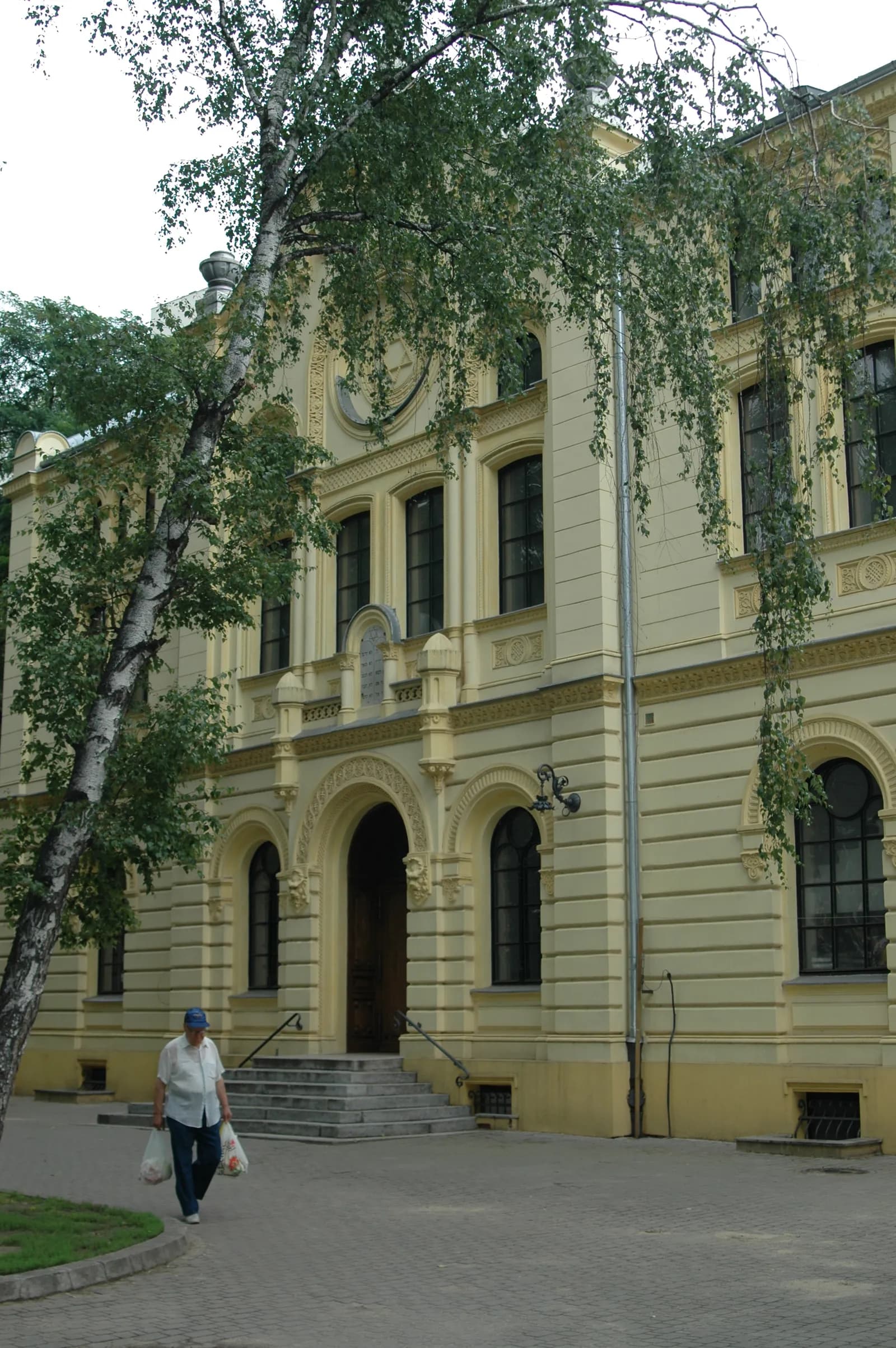
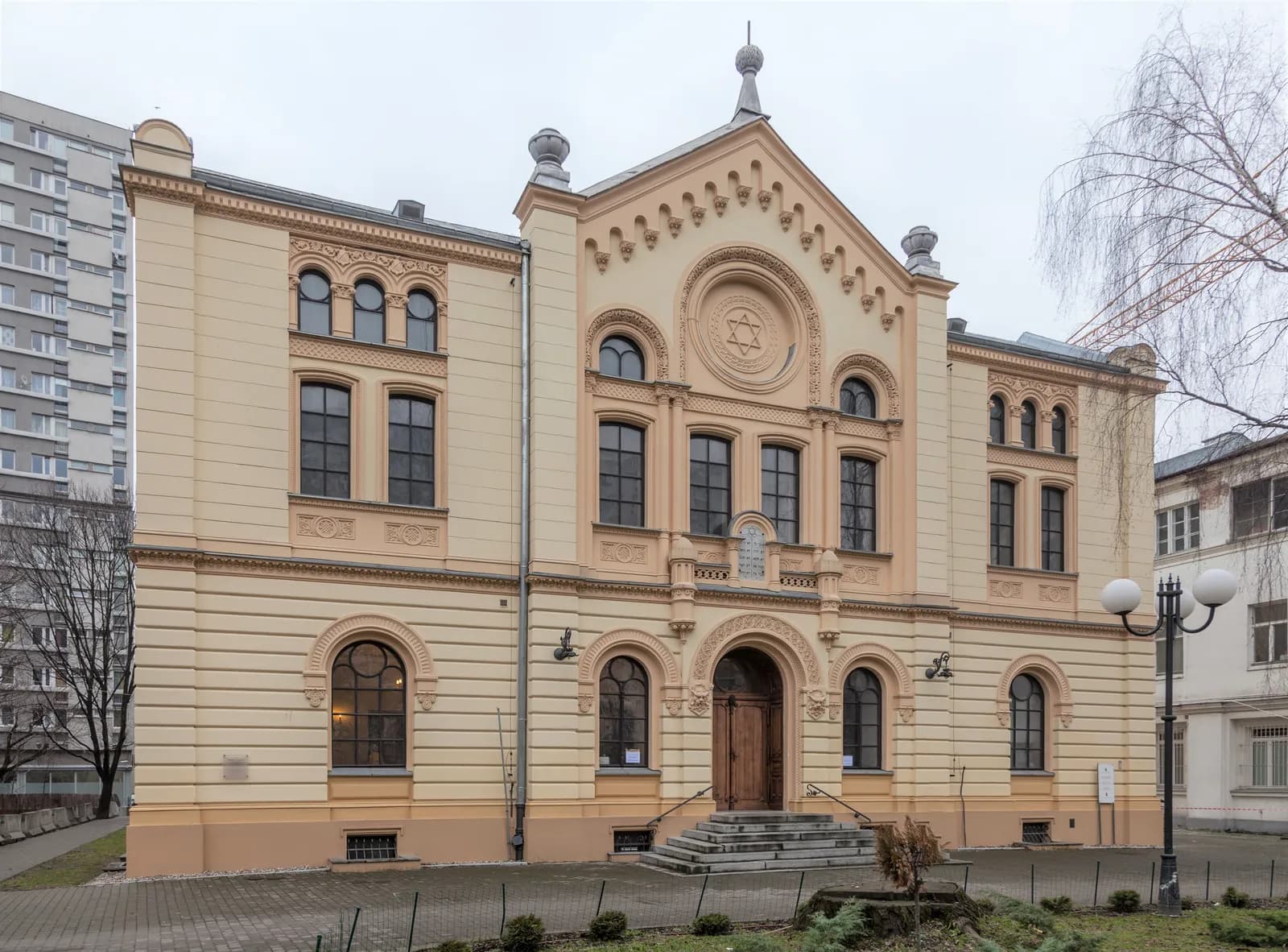
Rantzen described herself as agnostic in later life but was clear about what her heritage had given her. "I recognise how much I owe to being Jewish," she said. "The closeness of my family, the priority of education, the culture we share as Jews are the basis of so many of my values." The Warsaw that produced her ancestors has almost vanished: the Nożyk Synagogue on Twarda Street is the only pre-war synagogue in the city still standing. The records that let a British television star find her way back to it are a reminder of why archives matter.
Her children said in a statement: "Our adored mother, Dame Esther Rantzen, died today. Her legacy of compassion and understanding will live on in her charities Childline and the Silverline." From a Warsaw street in 1769 to a national helpline in 1986 is a long way. She travelled it, and so did a great many other Warsaw families whose names never made it on to television.
Dame Esther Rantzen across our magazines
Each Firefly title is remembering a different chapter of her life. Read the others:
- Hemel Magazine: her Berkhamsted beginnings
- Harrow Magazine: the Edgware schoolgirl
- Oxford Magazine: Somerville and the Oxford stage
- Camden Magazine: Hampstead, home for half a century
- Hammersmith Magazine: That's Life! at Wood Lane
- Westminster Magazine: the Palace, the honours and Parliament
- Southampton Magazine: the New Forest cottage where she died
- Bedford Magazine: the Luton South campaign of 2010
- Tower Hamlets Magazine: the Spitalfields cap-maker
Sources: BBC News, ITV News, Hello!, Wikipedia, the family statement issued by Miriam, Rebecca and Joshua Wilcox, Somerville College, Hampshire Life, the Advertiser and Times, Jewish News, The Jewish Chronicle, Who Do You Think You Are? Magazine, UK Parliament election results. Images via Wikimedia Commons, credited individually.