Warsaw’s story is one of transformation, survival and renewal. From its early beginnings as a settlement along the Vistula River to its role as the capital of modern Poland, the city has experienced periods of political power, destruction and remarkable reconstruction.
Located in the heart of Poland, Warsaw has witnessed the rise and fall of kingdoms, foreign occupations, war and rebuilding. Today, it stands as both a historic capital and a modern European city, where centuries of heritage exist alongside contemporary life.
Early Settlements Along the Vistula
Warsaw’s origins can be traced to early fortified settlements in the area, including Bródno and Jazdów, which developed between the 9th and 13th centuries.
The city’s location along the Vistula River was important for trade, communication and defence. Around the turn of the 14th century, a settlement known as Warszowa developed under the rule of the Dukes of Masovia, forming the foundations of the future city.
Warsaw gradually grew in importance, and in 1413 it became the capital of the Duchy of Masovia. This marked a significant stage in its development as a regional political centre.
Warsaw Becomes the Capital of Poland
A defining moment in Warsaw’s history came in 1596, when King Sigismund III Vasa moved the royal court and administrative centre of the Polish-Lithuanian Commonwealth from Kraków to Warsaw.
The city’s central location between Kraków and Vilnius made it a practical choice for governing the Commonwealth, which united the Kingdom of Poland and the Grand Duchy of Lithuania.
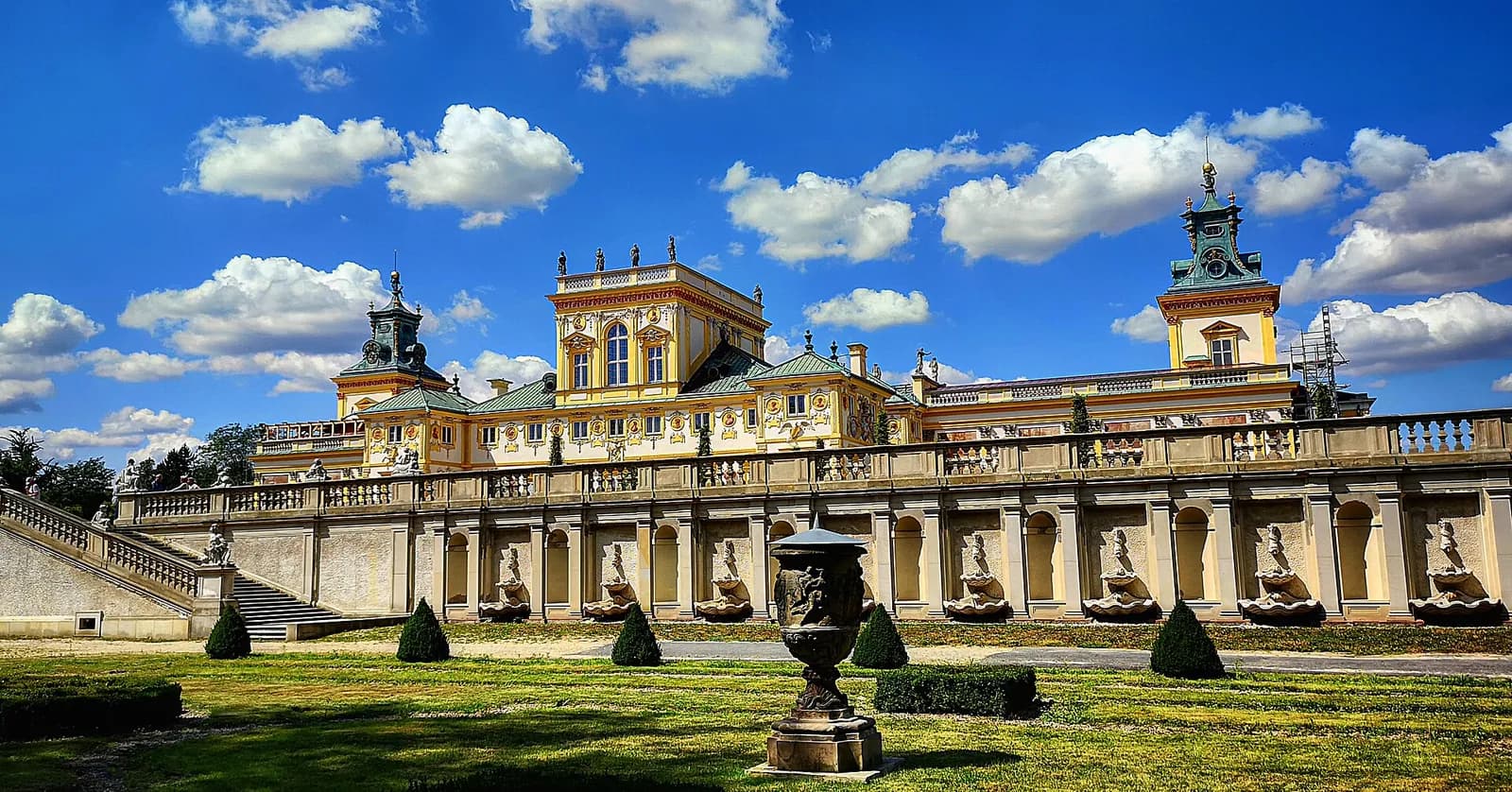
The move transformed Warsaw into a major political and cultural centre. During the 18th century, particularly under Saxon influence, the city experienced architectural development, including the growth of Baroque-style buildings and royal residences.
Warsaw also became an important centre of education, commerce and political life, laying the foundations for its later role as the capital of a modern European state.
A Capital Under Foreign Rule
Warsaw’s development was interrupted by the Partitions of Poland at the end of the 18th century, when the Polish-Lithuanian Commonwealth was divided between neighbouring powers.
The city experienced periods of Prussian and Russian control, during which Polish political independence disappeared. Despite this, Warsaw remained an important centre of Polish culture, education and national identity.
When Poland regained independence in 1918, Warsaw once again became the capital of the newly restored Polish state and the centre of political life in the Second Polish Republic.
The Second World War and the Destruction of Warsaw
The Second World War brought one of the darkest periods in Warsaw’s history.
Following the German invasion of Poland in 1939, the city endured occupation, persecution and widespread destruction. The Warsaw Uprising of 1944 became one of the most significant acts of resistance during the war, as Polish fighters attempted to liberate the city from German occupation.
The uprising ended in defeat, and Warsaw suffered enormous destruction. Large parts of the city were deliberately destroyed, including many historic buildings and cultural landmarks.
The number of people killed during the war varies depending on the criteria used, but hundreds of thousands of Warsaw residents lost their lives, including members of the city’s large Jewish community who were murdered during the Holocaust.
By 1945, Warsaw had been devastated, with much of the historic city centre reduced to ruins.
Rebuilding a Destroyed Capital
After Warsaw was liberated in January 1945, the city faced the enormous challenge of reconstruction.
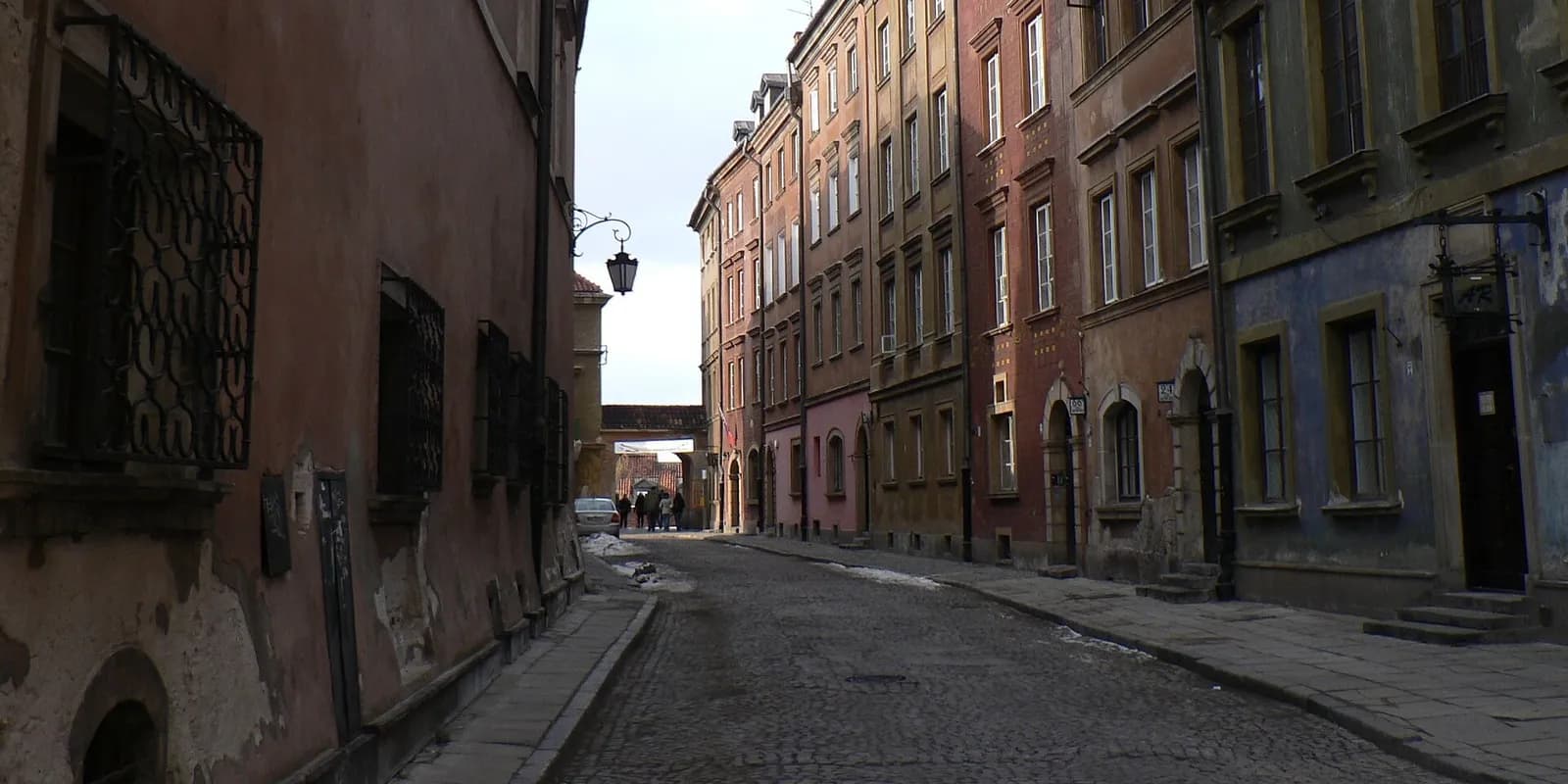
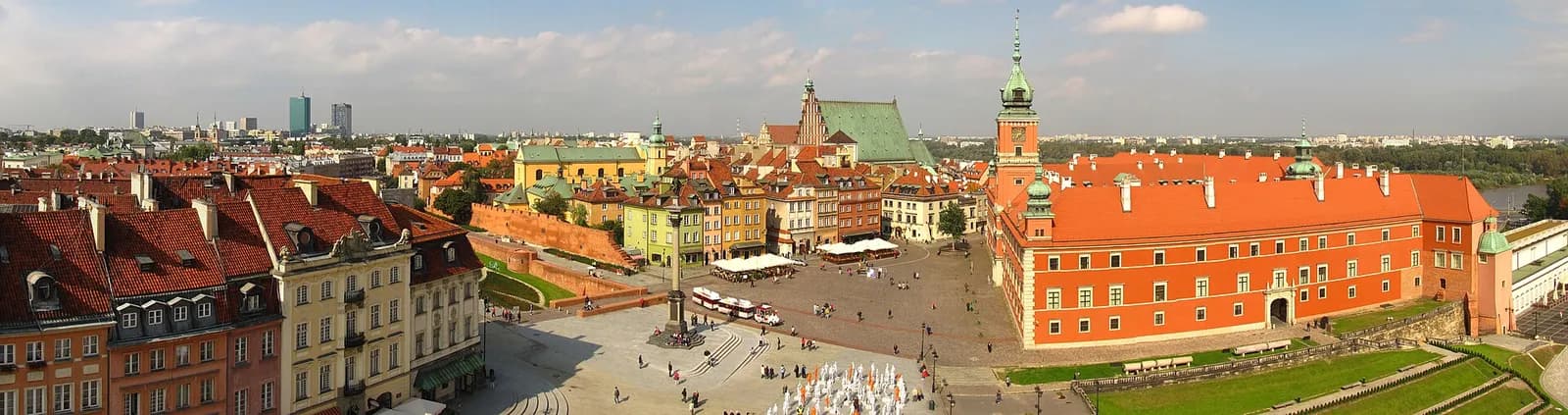
The national capital was officially restored shortly afterwards, and rebuilding efforts began almost immediately. One of the most ambitious reconstruction projects focused on restoring the Old Town, which had been almost completely destroyed during the war.
Using surviving plans, historical records and archival materials, many landmarks were carefully reconstructed. Warsaw’s Old Town later gained international recognition and was inscribed on the UNESCO World Heritage List in 1980.
At the same time, the city expanded beyond its pre-war boundaries, developing new residential areas, infrastructure and modern districts.
Warsaw Today: A Capital Built on Resilience
Modern Warsaw combines historic identity with innovation and growth. The reconstructed Old Town, royal landmarks and museums preserve the memory of the city’s past, while modern neighbourhoods, businesses and cultural institutions reflect its continuing development.
Warsaw’s history is not only a story of destruction and rebuilding. It is also a story of communities that preserved their traditions, protected their heritage and shaped the city’s future.
From a small settlement beside the Vistula River to the capital of Poland, Warsaw’s history reflects centuries of change, resilience and renewal.
The city’s rebuilt streets, historic monuments and vibrant communities serve as reminders that even after immense destruction, cultural identity and collective memory can endure.