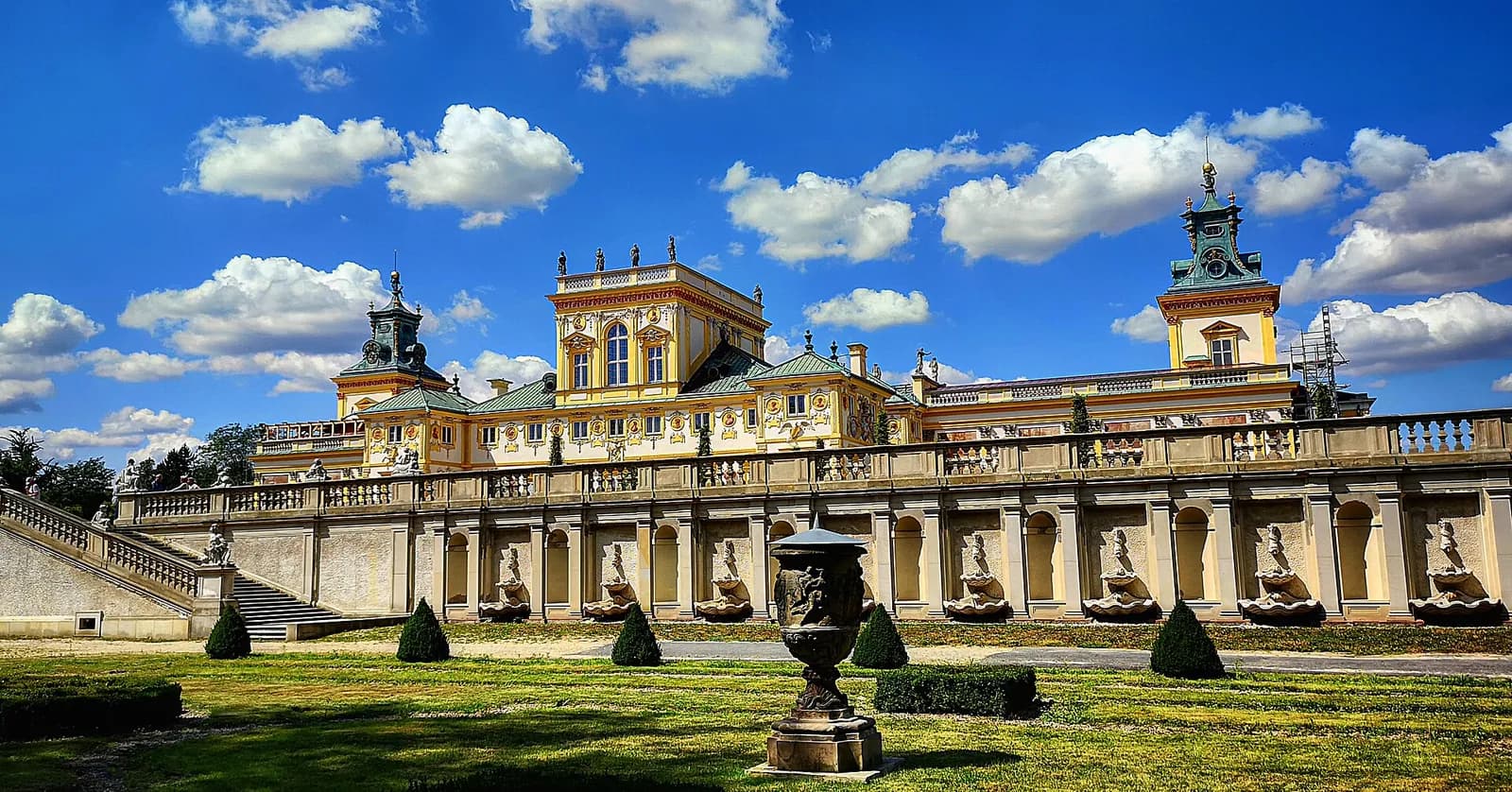
At the southern end of Warsaw's historic Royal Route stands one of Poland's most remarkable architectural treasures. Wilanów Palace has welcomed kings, artists, aristocrats and visitors for more than three centuries, preserving a rare glimpse into the splendour of the Polish-Lithuanian Commonwealth.
Unlike much of Warsaw, which was devastated during the Second World War, Wilanów Palace survived with its historic character largely intact. Today, it remains one of the country's best-preserved Baroque residences and continues to attract visitors from around the world with its royal apartments, extensive art collections and beautifully maintained gardens.
A Palace Fit For a King
The estate was purchased in 1677 by King Jan III Sobieski, one of Poland's most celebrated monarchs and the victor of the Battle of Vienna in 1683. He commissioned Italian-born architect Augustyn Wincenty Locci to create a summer residence that reflected both royal prestige and family life.
Construction continued until the late seventeenth century, producing a residence that blended Italian Baroque elegance with the traditions of the Polish manor house. The result was a distinctive architectural style that remains unique in Poland.
The palace's richly decorated yellow and white façade is adorned with sculptures, classical columns and Latin inscriptions celebrating Sobieski's military achievements and his role as a patron of the arts.
Royal Interiors and Priceless Collections
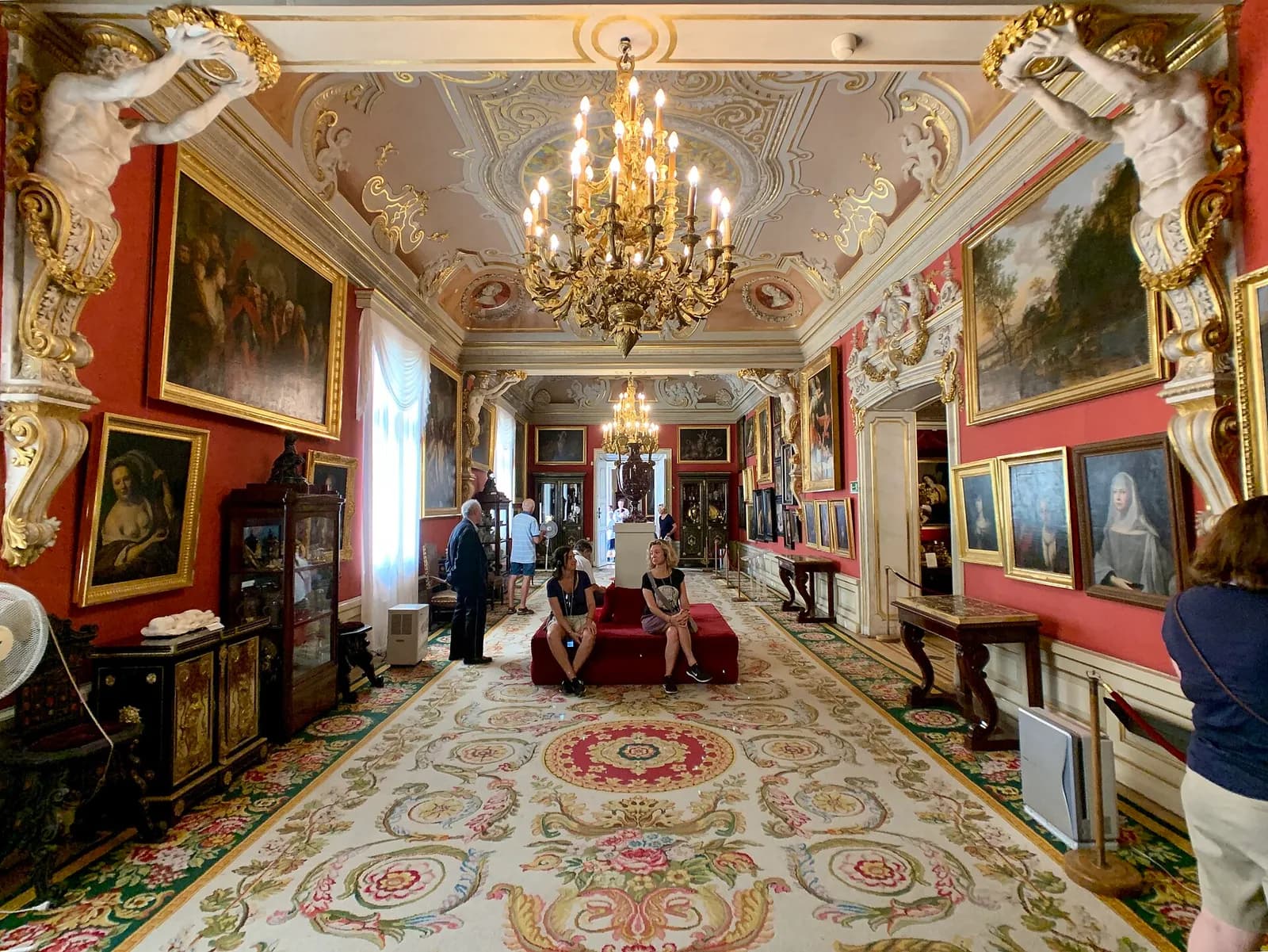
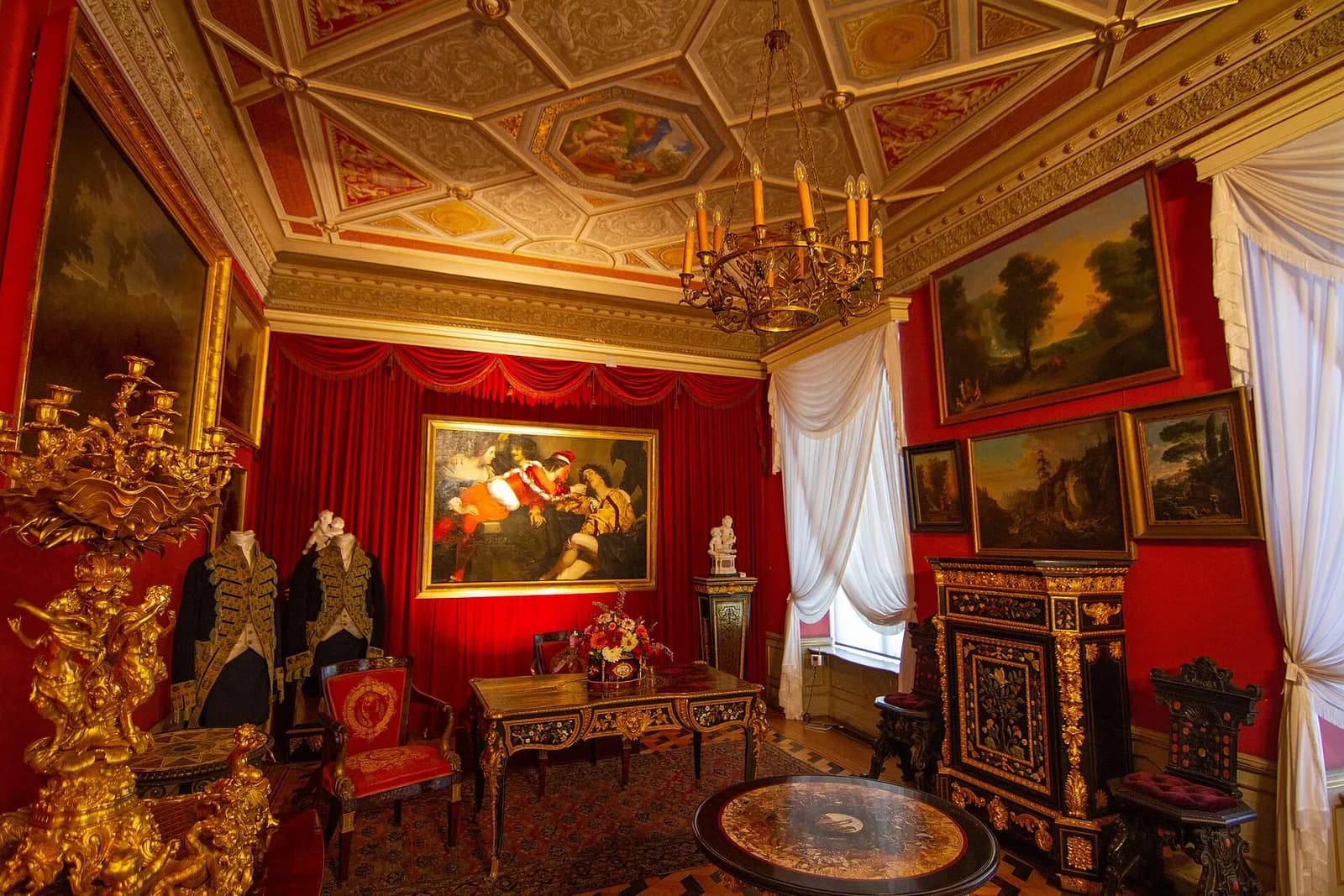
Stepping inside the palace reveals a series of richly decorated rooms that have retained much of their historic appearance. Visitors can explore the Royal Apartments, the White Hall, the King's Antechamber, the Chinese Room and the Dutch Cabinet, each reflecting the tastes and fashions of different periods in the palace's history.
The museum's collections include paintings, sculpture, decorative arts, furniture, ceramics, silverware and royal memorabilia. Portraits of Polish nobility sit alongside works by renowned European artists, offering an insight into centuries of aristocratic life and artistic patronage.
Many of the decorative ceilings, stucco details and period furnishings have survived, allowing visitors to experience interiors that closely resemble those enjoyed by their original occupants.
Gardens That Change With the Seasons
Surrounding the palace are around 45 hectares of historic gardens that combine several styles developed over the centuries. Formal Baroque terraces give way to landscaped parkland, tree-lined avenues, ornamental lakes and colourful flower displays.
Each season brings a different atmosphere, from spring blossoms and summer roses to vibrant autumn colours and winter illuminations. The gardens are as much a destination as the palace itself, providing peaceful walks just a short distance from the city centre.
Poland's Pioneering Public Museum
Wilanów's cultural significance extends beyond its royal origins. In 1805, Stanisław Kostka Potocki opened parts of the palace and its collections to the public, creating one of Poland's earliest museums and one of Europe's first publicly accessible aristocratic collections.
During the years when Poland disappeared from the political map of Europe, the palace became an important centre for preserving the nation's cultural heritage, safeguarding works of art and historical artefacts for future generations.
A Remarkable Survivor
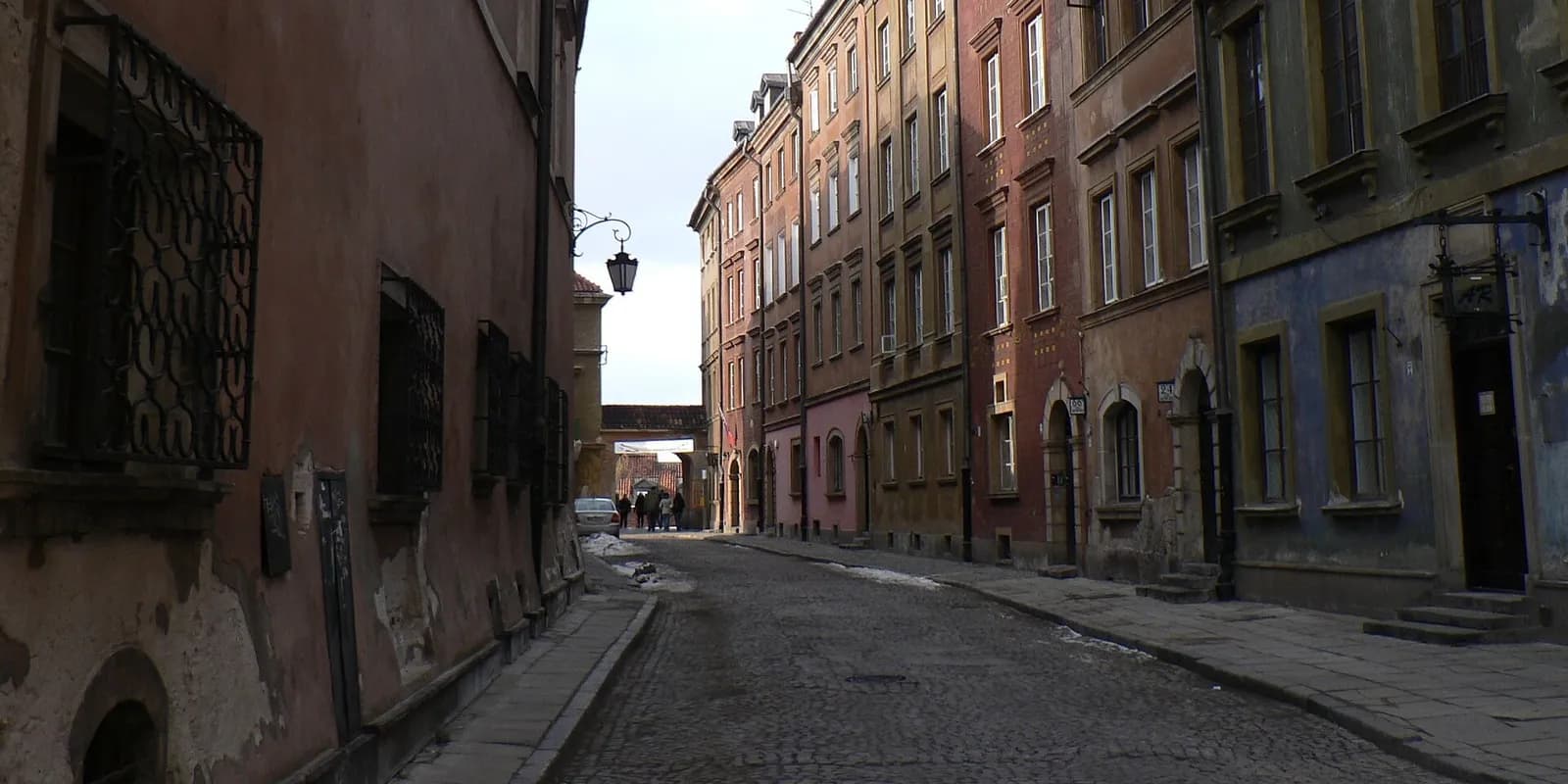
Warsaw's wartime destruction makes Wilanów Palace all the more extraordinary. Although some artworks were looted and parts of the interiors suffered damage, the building itself escaped the widespread devastation that transformed much of the capital into ruins.
Its survival means visitors today can experience one of the few authentic royal residences remaining in Warsaw, offering an invaluable connection to the city's pre-war history.
Visiting Wilanów Palace Today
Today, the Museum of King Jan III's Palace at Wilanów continues to combine conservation with public engagement. Alongside its permanent collections, it hosts temporary exhibitions, concerts, educational programmes and seasonal events throughout the year.
The palace remains one of Warsaw's most popular cultural attractions, offering visitors the opportunity to explore centuries of Polish history, architecture and art within one of the country's most beautiful historic settings.
Whether discovering the richly decorated royal apartments, wandering through the landscaped gardens or learning about the legacy of King Jan III Sobieski, Wilanów Palace provides an unforgettable experience that continues to inspire generations of visitors.
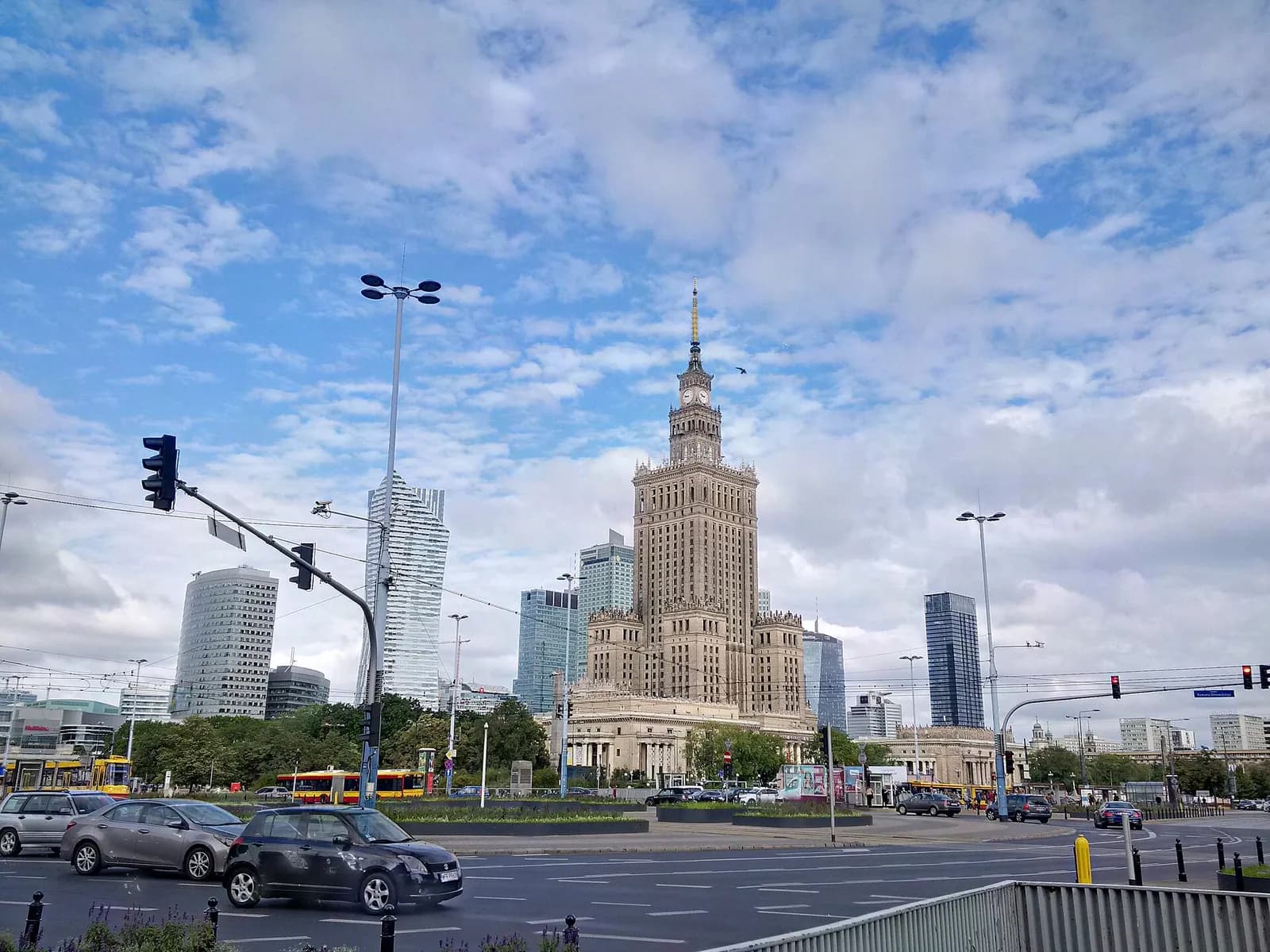
See more: Learn about the history of the Palace of Culture and Science
Source: wilanow-palac.pl/
image credit: Chichebombon, CC BY-SA 4.0 / Kgbo, CC BY-SA 4.0 / Maksym Kozlenko, CC BY-SA 4.0